
What Medicare Does Not Cover: Dental, Vision, and Hearing Gaps Explained
If you are enrolled in Original Medicare — Parts A and B — you may assume your health coverage has you fully covered. For many hospital and doctor services, it does. But when it comes to three services that matter enormously to your daily quality of life — dental care, vision exams and glasses, and hearing aids — Original Medicare leaves a gap that catches millions of people off guard.
Here is the reality: Original Medicare does not cover routine dental, vision, or hearing care. That means cleanings, fillings, eye exams, prescription glasses, hearing tests, and hearing aids are generally paid for out of your own pocket unless you have additional coverage.
Why does Original Medicare not cover dental, vision, and hearing?
Original Medicare was designed in 1965 to cover hospital care (Part A) and physician services (Part B). Dental, vision, and hearing services were excluded from the original program design and have never been added as standard benefits under Parts A or B.
There have been legislative proposals to change this — and public support is strong. A Kaiser Family Foundation poll found that adding dental, vision, and hearing coverage to Medicare scored 84 percent approval among the general public. But as of 2026, those proposals have not become law.
That means the responsibility for covering these services falls on you — either through a standalone plan, a Medicare Advantage plan, or paying out of pocket.
What each gap actually looks like
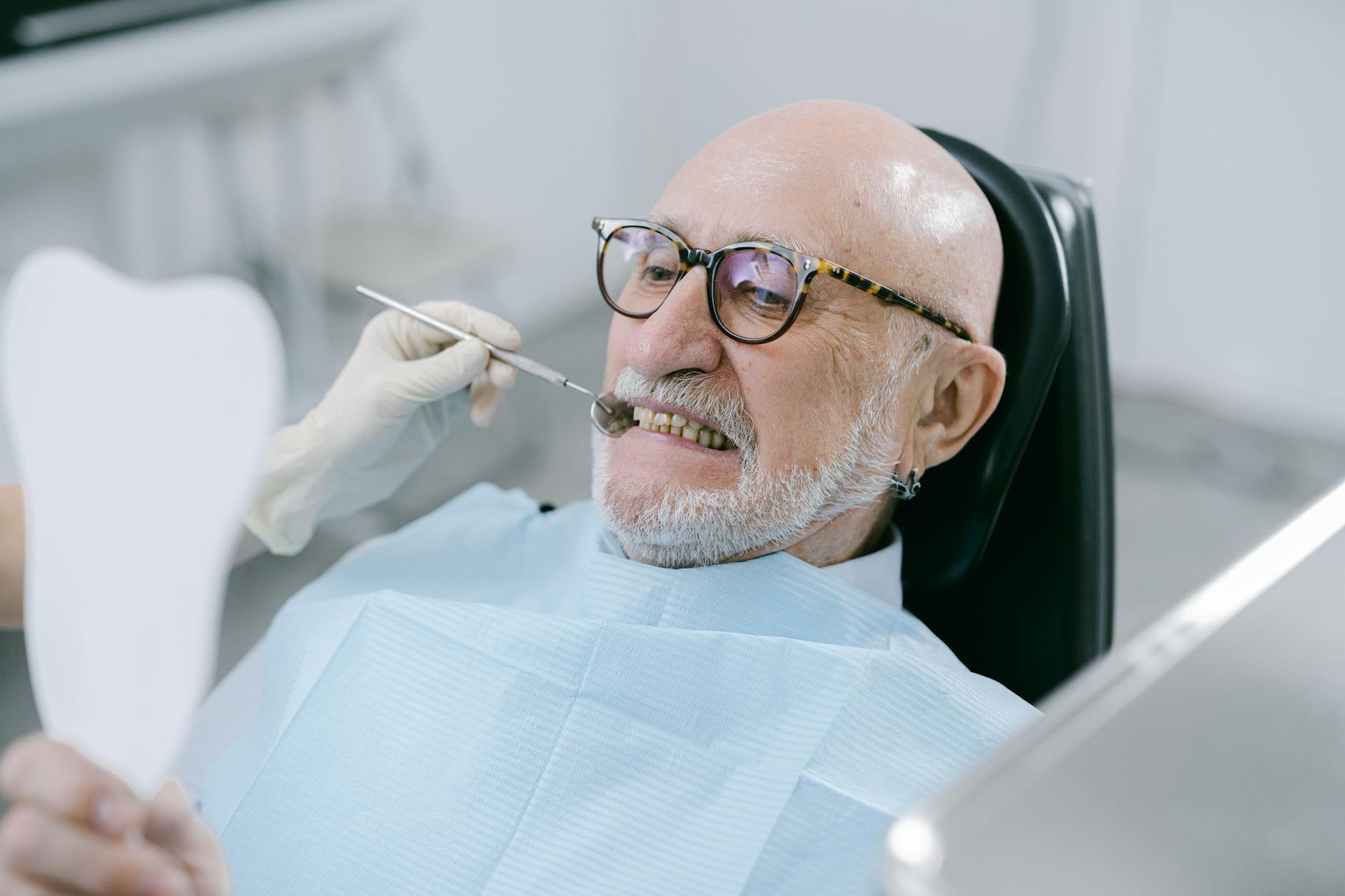
Dental: Original Medicare may cover dental services that are part of a covered inpatient hospital stay (such as a jaw surgery performed in the hospital), but it does not cover routine dental care — cleanings, X-rays, fillings, crowns, dentures, or gum disease treatment. According to the National Council on Aging, Medicare beneficiaries who lack dental coverage often delay or skip care entirely, which can lead to more serious and costly health problems down the road.
Vision: Original Medicare covers one glaucoma test per year for high-risk individuals and certain medical eye conditions (such as cataract surgery or treatment for diabetic retinopathy). But it does not cover routine eye exams for glasses, and it does not cover eyeglasses or contact lenses. If you need a new prescription or a routine checkup, you are paying for it yourself.
Hearing: Original Medicare covers diagnostic hearing exams ordered by a physician, but it does not cover routine hearing tests, hearing aids, or fitting services. A single pair of hearing aids can cost anywhere from $2,000 to $7,000 or more — and none of that is covered under Parts A or B.
How Medicare Advantage plans may help
This is where Medicare Advantage (Part C) comes in. Medicare Advantage plans are offered by private insurance companies approved by Medicare. They must cover everything Original Medicare covers — and many plans go further by including supplemental benefits that Original Medicare does not.
According to the Kaiser Family Foundation, in 2026:
- More than 98% of Medicare Advantage plans offer dental benefits
- More than 95% offer hearing exam and hearing aid benefits
- More than 99% offer vision benefits including eye exams and/or glasses
That is a dramatic shift from just a decade ago, when these benefits were rare in Medicare Advantage. Today, dental, vision, and hearing coverage is essentially standard in most Medicare Advantage plans — though the specific details (annual maximums, copays, provider networks, and covered services) vary from plan to plan.
What to look for in a Medicare Advantage plan’s DVH benefits
Not all dental, vision, and hearing benefits are created equal. When comparing plans, pay attention to:
- Annual maximums — Some plans cap dental benefits at $500 to $2,000 per year. If you need major work (crowns, bridges, dentures), that cap may not go far.
- Copays and coinsurance — A plan might cover 50% of a filling but only 20% of a crown. Understand what you will owe at each visit.
- Provider networks — Dental and vision networks are often narrower than the medical network. Check that your current dentist and eye doctor are in-network.
- Hearing aid coverage — Some plans provide a set allowance toward hearing aids; others cover a percentage. The allowance amount and brand options vary widely.
- Waiting periods — Some plans impose waiting periods before comprehensive dental benefits kick in, even if preventive care is available right away.
The bottom line: gaps are real, but options exist
The dental, vision, and hearing gaps in Original Medicare are not a minor detail — they are a significant financial exposure for anyone relying on Medicare for their health coverage. A single set of hearing aids, a crown, and a new pair of glasses can easily add up to $5,000 to $10,000 in a year, none of which Original Medicare helps pay for.
If you are on Original Medicare and do not have supplemental coverage for these services, you have options. Some people purchase standalone dental, vision, and hearing plans. Others choose a Medicare Advantage plan that bundles these benefits into one package. The right choice depends on your specific health needs, your budget, and which providers you want to see.
How Trek Insurance Solutions can help
At Trek Insurance Solutions, we help people navigate exactly this kind of decision. We work with multiple insurance organizations to compare Medicare Advantage plans and supplemental options available in your area — so you can find the coverage that fits your needs, not just a one-size-fits-all solution.
We do not believe in pressure or confusion. We believe in clear answers, honest guidance, and a plan that makes sense for your life.
If you have questions about your Medicare coverage — or if you are turning 65 and want to understand your options before you enroll — reach out to us.
Call us at 888-960-0442 or visit trekis.net to connect with a licensed agent.
Trek Insurance Solutions is a Third-Party Marketing Organization (TPMO). We do not offer every plan available in your area. Any information we provide is limited to those plans we do offer in your area. Please contact Medicare.gov or 1-800-MEDICARE to get information on all of your options.