
Medicare does not cover most dental services, routine vision exams, eyeglasses, or hearing aids. Original Medicare (Parts A and B) was designed around hospital and medical care — not the services you use to maintain everyday quality of life. If you expect Medicare to handle your next dental cleaning, eye exam, or hearing aid fitting, you may be surprised by the bill.
Understanding these gaps is the first step toward building a coverage strategy that actually fits your life. Here is what Medicare skips and how people are filling those gaps.
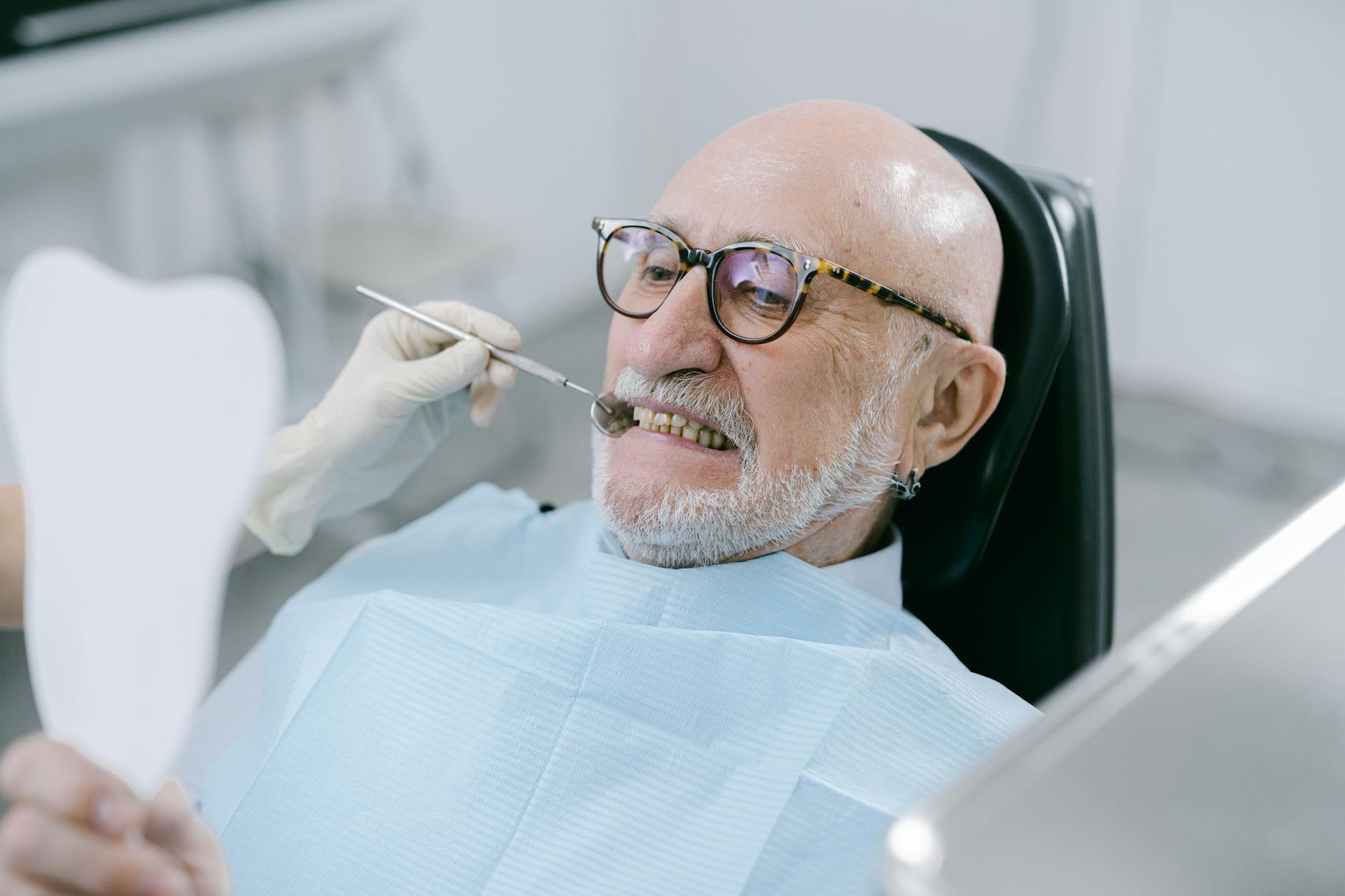
What dental services does Original Medicare not cover?
Original Medicare generally does not cover:
- Routine dental exams and cleanings
- Dental X-rays
- Fillings, crowns, and root canals
- Dental implants and bridges
- Extractions (unless part of a covered inpatient hospital stay)
The narrow exception: Medicare Part A may cover certain dental services if they are performed in a hospital as part of a covered inpatient procedure. For example, if you need jaw reconstruction after an accident and are admitted to the hospital, Medicare Part A may pay for that surgery. But routine dental work at your dentist’s office? That is out of pocket under Original Medicare.
According to the Centers for Medicare & Medicaid Services (CMS), approximately 24 million people with Medicare lack dental coverage. That means nearly half of all beneficiaries are paying for fillings, cleanings, and dentures without any help from their insurance.
Does Medicare cover vision exams and eyeglasses?
No. Original Medicare does not cover:
- Routine eye exams for glasses or contacts
- Eyeglasses or contact lenses
- Treatment for common vision conditions like cataracts, glaucoma, or age-related macular degeneration is covered under certain circumstances
The partial exception: Medicare Part B covers one glaucoma test per year for people at high risk, one Welcome to Medicare preventive visit that includes a basic eye check, and one dilated eye exam every 12 months for people with diabetes. Part B also covers part of the cost for cataract surgery and intraocular lenses after the procedure.
But the everyday eye exam you schedule to update your prescription? The frames and lenses you pick out at the optical shop? Those fall into the coverage gap. The American Academy of Ophthalmology estimates that out-of-pocket costs for routine eye care range from $100 to $300 per visit for people without supplemental vision coverage.
What about hearing aids? Does Medicare pay for them?
Medicare does not cover hearing aids, hearing aid fittings, or routine hearing tests conducted by an audiologist for the purpose of fitting a hearing aid.
- Covered: Diagnostic hearing exams ordered by a physician to diagnose a specific medical condition
- Not covered: Routine hearing screenings, hearing aids, and associated fittings
The National Council on Aging reports that the average cost of a pair of hearing aids ranges from $2,000 to $7,000 depending on the technology level. For many seniors on fixed incomes, that gap is significant — and it compounds the social isolation that untreated hearing loss can cause.
What does Medicare Advantage cover that Original Medicare does not?
Medicare Advantage (Part C) plans are offered by private insurers approved by Medicare. Many Medicare Advantage plans bundle additional benefits that Original Medicare does not provide, including:
- Dental benefits — routine exams, cleanings, X-rays, and sometimes more extensive work like fillings and extractions
- Vision benefits — routine eye exams, and in some plans, coverage for glasses or contacts
- Hearing benefits — coverage for hearing exams and, in many plans, hearing aids
Medicare Advantage plans are required to cover everything Original Medicare covers, but they often add these supplemental benefits to attract enrollees. The availability and scope of these extra benefits vary significantly by plan and service area. Not every Medicare Advantage plan in every zip code includes all three categories, and annual maximums on dental, vision, and hearing benefits are common.
When comparing Medicare Advantage plans, it is worth looking at the specific dental, vision, and hearing benefits — not just the monthly premium. A plan with a $0 premium might offer minimal dental coverage, while a modest premium plan could include a $1,500 annual dental maximum.
Can I add dental, vision, and hearing coverage to Original Medicare?
Yes. Several options exist for filling these gaps:
- Medicare Supplement (Medigap) plans do not cover dental, vision, or hearing directly, but they free up your budget by covering the gaps in Original Medicare (hospital stays, doctor visits, coinsurance). With your medical costs more predictable, you can allocate savings toward standalone dental, vision, and hearing plans.
- Standalone dental, vision, and hearing (DVH) plans are available in most states. These are separate policies that cover preventive and basic services. Costs vary, but many plans run $20–$50 per month for an individual.
- Medicare Advantage plans with built-in DVH benefits are an all-in-one option. If you are comfortable transitioning from Original Medicare + Medigap to a Medicare Advantage plan, you may get dental, vision, and hearing bundled in.
- Discount dental plans and vision discount programs offer reduced rates at participating providers. These are not insurance, but they can lower out-of-pocket costs for people who need care occasionally.
The right choice depends on how much dental, vision, and hearing care you anticipate, your budget, and whether you are willing to change your existing Medicare structure.
How much do these uncovered services typically cost?
Without coverage, here are the typical out-of-pocket costs in many markets:
| Service | Average Out-of-Pocket Cost |
|---|---|
| Routine dental exam + cleaning | $100 – $300 |
| Dental filling | $150 – $400 per filling |
| Dental crown | $800 – $1,500 |
| Single dental implant | $3,000 – $6,000 |
| Routine eye exam | $100 – $250 |
| Eyeglasses (frames + lenses) | $150 – $500 |
| Pair of hearing aids | $2,000 – $7,000 |
These are ballpark figures — costs vary by provider, region, and complexity. But they illustrate why leaving these services uncovered can add up quickly, especially for retirees managing a fixed income.
What should I do if I am turning 65 and need dental, vision, or hearing coverage?
If you are approaching Medicare eligibility, the time to plan for dental, vision, and hearing coverage is now — not after you enroll in Part A and Part B. Here is the sequence:
- Enroll in Medicare Parts A and B during your Initial Enrollment Period (the 7-month window around your 65th birthday).
- Decide between Original Medicare + Medigap or Medicare Advantage. If you want dental, vision, and hearing bundled in, a Medicare Advantage plan may be the simpler path. If you prefer the provider flexibility of Original Medicare, budget for standalone DVH coverage.
- Review your options annually during Open Enrollment (October 15 – December 7). Plans change their benefits and pricing each year. What is offered this year may differ next year.
Failing to plan means paying full price for services you will almost certainly need.
The bottom line
Medicare coverage gaps in dental, vision, and hearing are real and costly. Original Medicare was not built for these services, and the gap affects millions of beneficiaries who are left paying out of pocket for the care they need to maintain their quality of life.
Whether you choose a Medicare Advantage plan with bundled benefits or pair Original Medicare with standalone coverage, addressing these gaps early is the move that saves money and stress down the road.
If you have questions about your Medicare options or want to review dental, vision, and hearing coverage in your area, call us at 888-960-0442 or visit trekis.net/medicare to speak with a licensed agent.
888-960-0442 · trekis.net · Licensed, independent agency.
Trek Insurance Solutions is a Third-Party Marketing Organization (TPMO). We do not offer every plan available in your area. Any information we provide is limited to those plans we do offer in your area. Please contact Medicare.gov or 1-800-MEDICARE to get information on all of your options.